






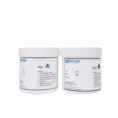

Understanding the Polyolefin Bonding Challenge: Why PE and PP Are Notoriously Difficult to Bond

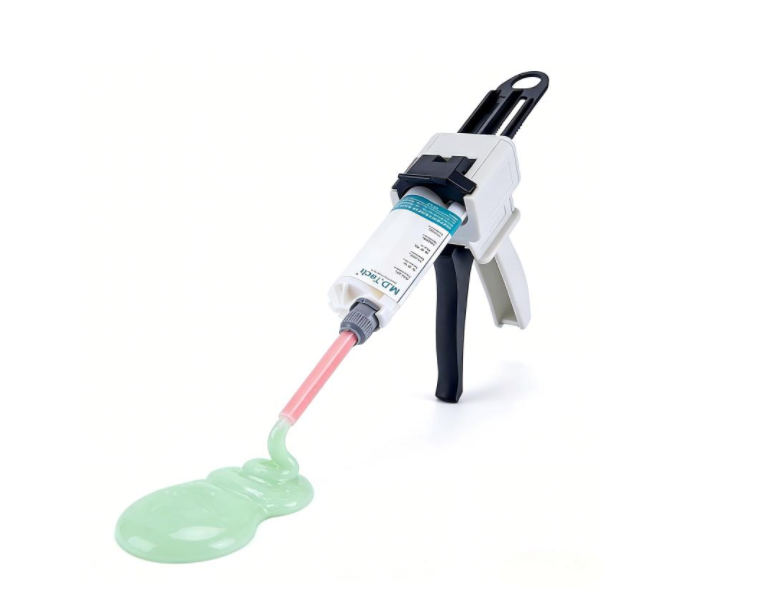
Polyethylene (PE) and Polypropylene (PP) – collectively known as polyolefins – have become indispensable across industries from automotive and electronics to packaging and consumer goods. Their excellent chemical resistance, good mechanical properties, and cost-effectiveness make them attractive materials.
However, when it comes to creating strong, durable bonds between these materials or joining them to other substrates, manufacturers face significant and persistent challenges.
The fundamental difficulties in bonding PE and PP stem from four key material characteristics:
- Low Surface Energy and Poor Wettability: PE and PP are non-polar polymers with very low surface energy. When an adhesive is applied, it tends to bead up rather than spread evenly and intimately across the surface, preventing proper contact and adhesion formation.
- High Crystallinity: These materials have highly ordered molecular structures, making them chemically stable and resistant to the penetration and swelling that typically helps adhesives form mechanical interlock and strong bonds.
- Absence of Reactive Functional Groups: Their molecular chains lack polar functional groups (like -OH, -COOH, -NH₂) that can form chemical bonds (hydrogen bonds, covalent bonds) with most adhesive formulations.
- Presence of Weak Boundary Layers: Additives such as slip agents, anti-static agents, and plasticizers can migrate to the surface of the plastic part, creating a weak, poorly adhering layer that compromises bond strength.
MDTECH's Innovative Solution: Engineered for Difficult Substrates:
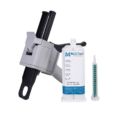
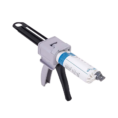
At MDTECH, we specialize in developing high-performance adhesive solutions for the most demanding applications. Our new MDACR 2322 Two-Component Acrylic Structural Adhesive is specifically engineered to overcome the inherent bonding challenges of low-surface-energy plastics like PE and PP, eliminating the need for extensive surface preparation.
The following table summarizes the key technical specifications of our new adhesive:
| Property | Value/Description | Test Method/Comment |
|---|---|---|
| Base Chemistry | Two-component, Acrylic | — |
| Mix Ratio | 1:1 by volume | Convenient for dispensing |
| Typical Open Time | 3-6 minutes | Allows for part adjustment |
| Positioning time | 2-4 hours @ 23°C | Fast production cycles |
| Tensile Shear Strength (PP/PP) | > 5 MPa | GB/T 7124-2008 |
| Peel Strength (on PP/PE) | Substrate failure common | Demonstrates excellent adhesion |
| Service Temperature Range | -40°C to +120°C | |
| Key Substrates | PP, PE, PET, etc., many plastics | do not require surface treatment |
Choose MDTECH: Expertise in Advanced Bonding
As a Shanghai-based high-tech enterprise specializing in polymer material science, MDTECH is committed to delivering innovative solutions. Our MDACR 2322 is more than just an adhesive; it’s an enabling technology that simplifies design, improves product reliability, and reduces total assembly costs by eliminating pretreatment steps.
Ready to solve your toughest bonding challenges?
Contact the MDTECH team today to request a sample, discuss your specific application, or consult with our technical experts on your next project involving polyethylene, polypropylene, or other difficult-to-bond substrates.
Go to Chinese website: 上海拜高迈道技术有限公司官网 (mdpolymer.com)